
A SaaS company can have a great product, a strong sales team and a healthy customer base, yet still lose margin to an inefficient payment environment.
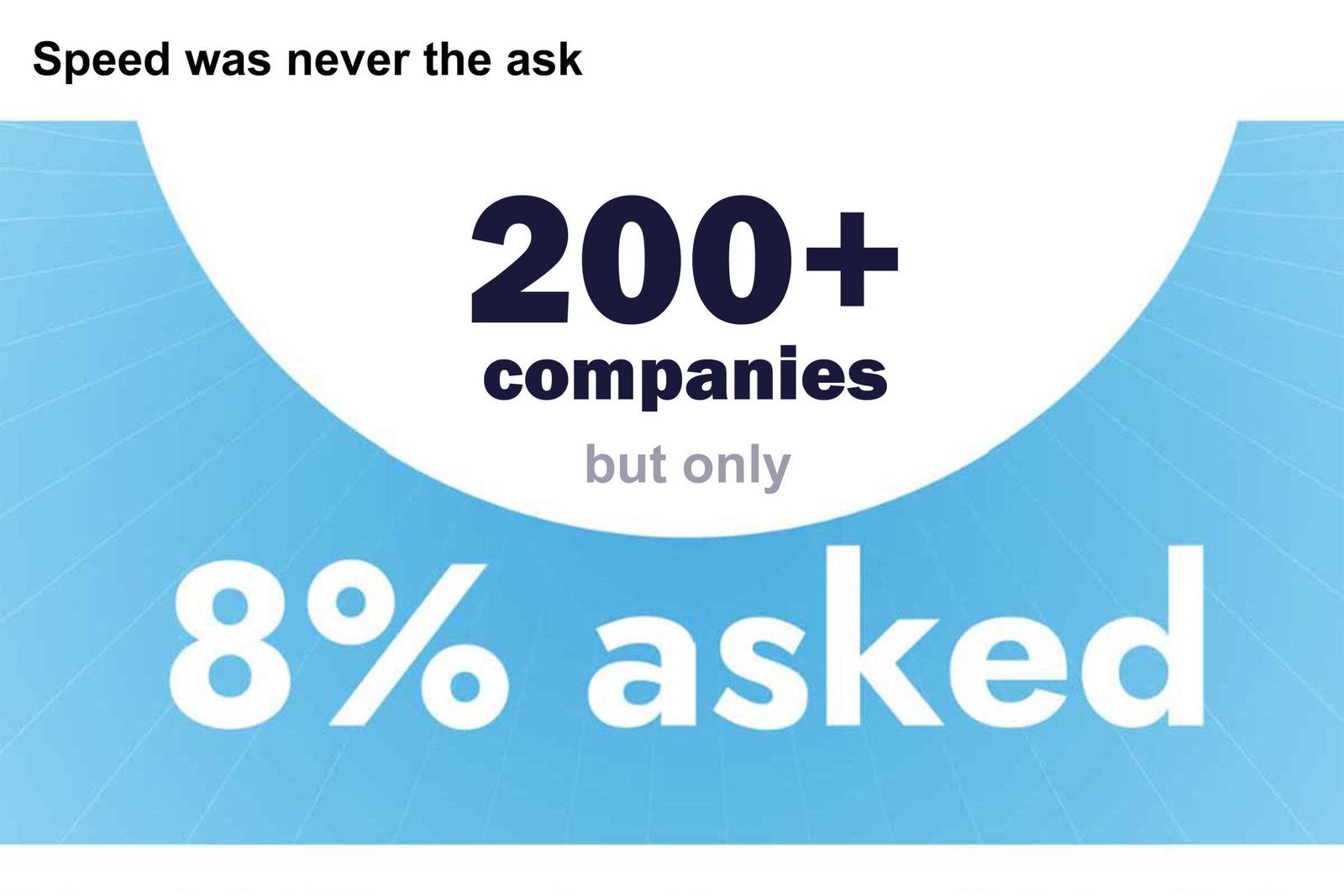
Flinks analyzed what 200+ companies said was wrong with their verification process. Only 8% specifically asked for faster verification.
What did they actually want?
38% wanted more applicants to successfully connect their bank.
36% wanted to eliminate the manual step entirely.
30% wanted transaction data interpreted for them instead of delivered as raw data.
And 25% wanted a record of what was verified and how.
That distinction matters.
The problem wasn’t necessarily that the process was too slow. It was that too many people were still standing in the process.
Every manual step creates operational cost. Every exception creates another email, another review, another person in the queue.
And that doesn’t stop at verification.
The same thing happens with payments.
Manual reconciliation. Disconnected systems. Poor payment integration. Unnecessary processing costs. Payment failures that create support tickets.
None of these look significant in isolation.
At scale, they add up.
That’s why payment infrastructure deserves more attention than simply asking whether transactions are going through.
The better questions are:
How much manual work is payments creating?
How well is payment data flowing through your systems?
Are you paying more than you need to process each transaction?
And is your payment infrastructure helping your business scale, or quietly adding friction as it does?
At Cartis Payments, we help software companies integrate payments into their existing technology, reduce processing costs, and build a payment environment that works more efficiently as they grow.
If you’re scaling a SaaS business, let’s take a closer look at your payment setup and identify where you could reduce costs and eliminate unnecessary friction.